
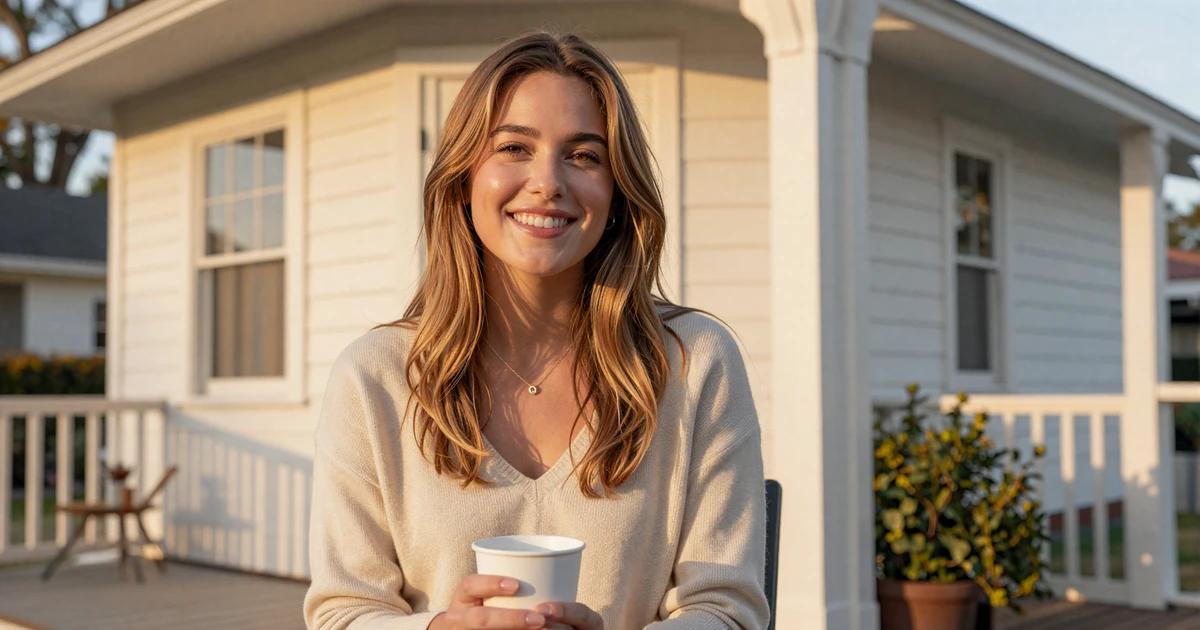
Dating after military retirement is rarely a return to who you were before service - it is a careful step into who you are becoming next. The uniform comes off, the calendar slowly empties, and for the first time in twenty or thirty years a Tuesday afternoon is genuinely yours. That freedom is a gift and a question at the same time, especially when it comes to love.
For many retired service members, the search for a partner happens in parallel with the larger search for a civilian identity. Both take patience. Both reward honesty. This guide walks through that overlap with respect - the practical opportunities, the harder conversations around PTSD, and the lessons from veterans who have already built strong relationships on the other side of service.
Stepping Into Civilian Life and Civilian Love
The transition from military to civilian life touches every part of who you are, and dating is no exception. After years of structured routines, clear hierarchies, and a community that spoke the same language, the open ground of civilian relationships can feel both freeing and disorienting. Partners need patience during this period - not pity, but a supportive environment that recognizes a past most civilians have never lived.
One of the quiet truths of retired military dating is that the transition is easier when it is shared. Shared activities - a Saturday morning hike, a community veterans' event, learning a new skill side by side - help create the fresh memories that anchor a new identity. The military life will always be part of the story. It just stops being the whole one.
What the transition really asks for
- Patience with new rhythms. Civilian time moves differently. Allow yourself - and a partner - the room to recalibrate.
- A supportive environment. The right partner acknowledges your service without making it the only subject of conversation.
- Fresh shared experiences. New hobbies, travel, and routines build a relationship rooted in who you are now.
New Opportunities Waiting for Retired Military Singles
Dating a veteran - or being one in the dating world - is its own path. It is different from typical civilian dating, full of unique challenges and equally unique rewards, and it offers a deeper understanding of the people who spent years serving their country. For the retiree stepping back into dating, this difference is the opportunity. You are not competing for attention on a swiping app; you are choosing a community of people who already respect the life you led.
Retirement also rewrites the math of dating in your favor in ways many veterans underestimate. You finally have time. You have stable income from your pension, often paired with a second civilian career or consulting work. You have clarity about what you want from a partner because two or three decades of service made you specific about your values. Few demographics enter the dating world with more self-knowledge than retired military singles.
If you are exploring this chapter intentionally, the veteran dating community on Honor Hearts was built around exactly this audience. And for a broader look at how today's women perceive the men who served, see our article on how women view military men today.
Navigating PTSD and Emotional Baggage Together
Many service members carry emotional weight from their years in uniform, and that weight does not vanish at retirement. Some veterans hold experiences they are not comfortable sharing - respect for privacy is essential, especially in the early stages of a relationship. At the same time, the shared road of healing builds a depth of understanding and empathy between partners that few civilian relationships ever reach.
You don't have to tell anyone everything. You do have to tell the right person enough. Retired Army First Sergeant, Honor Hearts member
PTSD dating is a phrase that gets used a lot online, but the reality is more nuanced than the label. Some veterans live with diagnosed PTSD; many more carry sub-clinical moral injury, sleep disruption, or hypervigilance that affects how they show up in relationships. None of it makes a person less worthy of love. It simply means the early conversations need to leave room for honesty, the partner needs to be capable of empathy without taking on a fixer role, and professional support - VA mental health resources, couples counseling experienced with veterans - should be normalized rather than feared.
The healthiest relationships in this space share three habits: they protect privacy without using it as a wall, they take symptoms seriously without making them the relationship's whole identity, and they treat healing as a long arc rather than a finish line.
Practical Dating Tips for Veterans and Retirees
The values that made you effective in uniform translate directly into the qualities that make veterans excellent long-term partners. Discipline shows up as consistency - keeping commitments without drama. Loyalty to a unit becomes loyalty to a relationship. Resilience built across moves and missions becomes the flexibility a healthy partnership needs. The trick is putting those qualities to work in dating on purpose.
Lead With Who You Are Now
Open your profile and first conversations with present-tense identity - your interests, your routine, your goals for the next chapter. Service is part of the story. It is not the headline anymore.
Respect Your Own Pace
Retirement reshuffles your nervous system. Date when you are ready, not when others think you should be. A slow start with the right person beats a rushed start with the wrong one.
Be Honest About PTSD Early - But on Your Terms
You owe a serious partner the truth about what affects daily life. You do not owe them every detail of how it got there. Share enough for trust, protect what is yours to protect.
Choose Partners Who Embrace the Culture
The right partner is curious about military jargon, respects the routines, and honors traditions like Veterans Day and reunions. Flexibility and willingness to learn beat surface-level enthusiasm every time.
Build New Shared Experiences
Travel, volunteer with veteran organizations, take a class together. Shared activities forge the new memories that civilian identity needs to take root alongside the military one.
Use a Platform That Understands Veterans
Mass-market apps optimize for novelty, not for the depth retirees are seeking. A verified community built around service members and the people who respect them removes the noise from the search.
For more on building lasting connection across the seasons of a relationship, our guide to military dating tips for long-term relationships is a natural next read.
Veteran Love Stories Beyond the Uniform
The most reassuring evidence that dating after retirement works is the couples already doing it. Below are two stories from Honor Hearts members who met after the uniform came off - proof that the next chapter can be the best one yet.
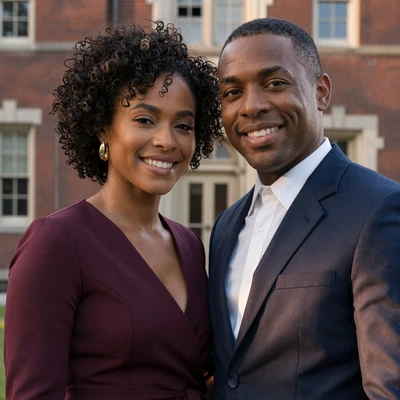
Retired SFC David & Karen
I retired after 26 years and thought the social part of my life was over. Karen and I started talking three months in. She understood without me having to explain. Two years later we are building a house together in Tennessee.
Story shared March 2026
Master Chief (Ret.) Thomas & Patricia
Twenty-eight years on submarines does not prepare you for online dating. But Patricia was patient with the parts of me I am still figuring out, and curious about the parts I am proud of. That made all the difference.
Story shared January 2026
Neither story began at a singles night or on a swiping app. Both began on a verified platform where the people in the photos meant what they said in their profiles - and where being a retired veteran was an asset, not a footnote.